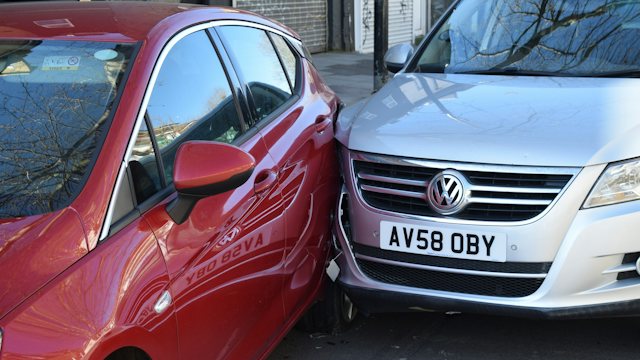
Crashes involving several vehicles or many injured people create complications that a simple two-car collision does not. Determining fault, sorting through insurance and dividing limited coverage can all become difficult.
Determining fault
Multi-vehicle crashes often involve chain reactions, and more than one driver may share responsibility. Reconstructing the sequence of impacts, using vehicle damage, witness accounts, event data and video, can be essential.
Limited insurance coverage
Each driver's liability policy has limits per person and per accident. When many people are hurt, the at-fault driver's coverage may not be enough to compensate everyone. In some cases, the insurer may ask a court to decide how to divide limited funds among claimants.
Underinsured motorist coverage
Your own underinsured motorist (UIM) coverage may help when the at-fault driver's coverage is insufficient. UIM coverage has its own procedures and notice requirements.
Commercial vehicles and buses
If a commercial vehicle, bus or company vehicle was involved, additional insurance and responsible parties may exist, such as the employer or vehicle owner.
Contributory negligence
North Carolina's contributory negligence rule can bar recovery if an injured driver was even slightly at fault. In chain-reaction crashes, insurers may try to assign some fault to everyone involved.
Act quickly
When many people are making claims against the same limited coverage, early action matters. Gather medical records, document losses and avoid signing releases.
A personal injury attorney can identify all available insurance, coordinate with other claimants and protect your share of compensation.
This article is general information, not legal advice. Every case is different; to talk about yours, call 910-893-2900. Learn more about our personal injury practice.
 Free 6-page guideAfter a Car Accident in North CarolinaWhat to do at the scene, in the first week, and before you talk to an insurance company, plus the North Carolina fault rule that catches most people off guard.Get the free guide →
← Older: "Can I search your car?" Consent searches at traffic stops
Newer: You keep hearing about parenting plans, but what are they? →