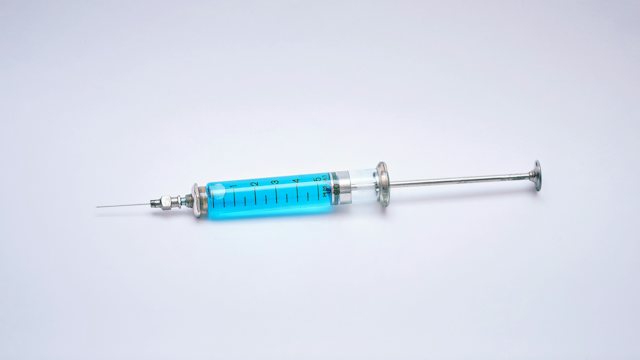
A first drug charge is frightening, especially for someone with no criminal record. The good news is that North Carolina has options designed for first-time offenders, and many first cases end without a conviction.
Conditional discharge
For certain first-time drug possession offenses, North Carolina law allows conditional discharge. The defendant pleads guilty or is found guilty, but the court defers judgment and places the person on probation. If the conditions are completed successfully, the charge is dismissed. Conditions often include drug education, treatment or community service.
Deferred prosecution
In a deferred prosecution, the case is put on hold while the defendant meets certain requirements. If those are met, the prosecutor dismisses the charge. Eligibility and terms vary by county and case.
Dismissal on legal grounds
Some cases are dismissed because of problems with the evidence: an unlawful stop or search, lab issues, or insufficient proof that the drugs belonged to the defendant.
Plea to a lesser charge
Sometimes a case resolves with a plea to a less serious offense, such as reducing a felony to a misdemeanor or a possession charge to paraphernalia.
Probation or active time
If a case results in a conviction, the sentence depends on the offense class and the person's prior record. Many first-time misdemeanor and low-level felony convictions result in probation rather than jail. Larger quantities or trafficking charges are a different matter, because trafficking carries mandatory prison terms.
Why the details matter
- The type and amount of drug
- Whether the charge is possession or possession with intent to sell
- Prior record, including out-of-state charges
- The county and the prosecutor's policies
Protecting your future
A dismissal after conditional discharge or deferred prosecution can often be expunged, which helps with jobs, school and housing. Before accepting any plea or program, make sure you understand the conditions and what happens if you cannot meet them. A lawyer can explain which options are realistic in your case.
This article is general information, not legal advice. Every case is different; to talk about yours, call 910-893-2900. Learn more about our criminal defense practice.
 Free 6-page guideCharged With DWI in North CarolinaWhat happens after the arrest, what’s at stake for your license and your record, and the deadlines that matter in the first few weeks.Get the free guide →
← Older: What happens if the police find drugs that aren’t mine on my property?
Newer: How to reduce the risk of drunk driving charges after a night out →