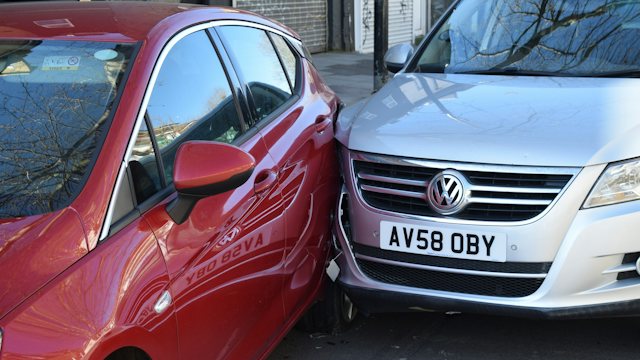
After a car accident, injured people may be entitled to compensation, called damages. North Carolina law recognizes several types.
Economic damages
These are measurable financial losses:
- Medical expenses, past and future
- Lost wages and lost earning capacity
- Property damage, such as vehicle repair or replacement
- Out-of-pocket costs, including travel to appointments and household help
Bills, records and expert testimony are used to prove them.
Non-economic damages
These compensate for harms that do not come with a receipt:
- Physical pain and suffering
- Mental and emotional distress
- Scarring and disfigurement
- Permanent injury and loss of use of body parts
- Loss of enjoyment of life
Punitive damages
In limited cases involving fraud, malice or willful or wanton conduct, such as some impaired-driving crashes, punitive damages may be available. They require clear and convincing evidence and are subject to caps.
Documenting damages
- Keep all medical records and bills
- Track time missed from work
- Keep a journal of pain and limitations
- Save receipts
- Photograph injuries as they heal
Contributory negligence
In North Carolina, if the injured person is found even slightly at fault, they may be barred from recovering any damages, subject to limited exceptions.
Do not settle too early
Accepting a settlement before the full extent of injuries is known can leave you without compensation for future needs.
A personal injury attorney can value your claim and pursue all damages available.
This article is general information, not legal advice. Every case is different; to talk about yours, call 910-893-2900. Learn more about our personal injury practice.
 Free 6-page guideAfter a Car Accident in North CarolinaWhat to do at the scene, in the first week, and before you talk to an insurance company, plus the North Carolina fault rule that catches most people off guard.Get the free guide →
← Older: Who can bring a wrongful death claim in North Carolina?
Newer: How is visitation determined for a non-custodial parent? →