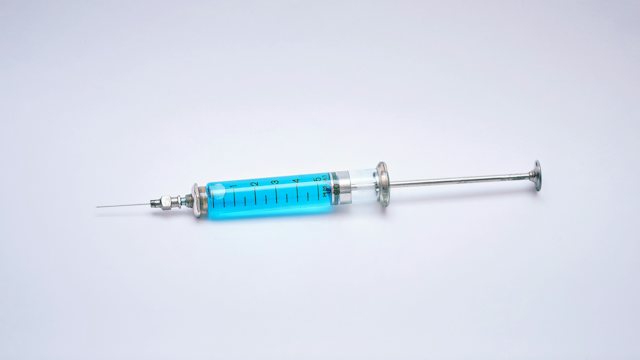
North Carolina drug charges generally fall into three tiers: possession, possession with intent to sell or deliver (and sale or delivery), and trafficking. The tier makes an enormous difference in potential punishment.
Possession
Simple possession means knowingly having a controlled substance for personal use. Penalties depend on the drug's schedule and amount. Possession of small amounts of many drugs is a misdemeanor, while possession of others, such as cocaine or heroin, is a low-level felony. First-time possession charges may be eligible for programs that lead to dismissal.
Possession with intent to sell or deliver
This charge, often abbreviated PWISD, applies when the State believes drugs were possessed for distribution rather than personal use. Because people rarely announce their intent, prosecutors rely on circumstantial evidence, such as:
- Quantity larger than typical personal use
- Packaging into separate bags
- Scales, cash, ledgers or multiple phones
- Text messages discussing sales
Sale and delivery are separate charges for completed transfers. These offenses are felonies.
Trafficking
Trafficking is defined by weight. If the amount of a drug meets certain thresholds, the charge becomes trafficking, regardless of whether the person intended to sell. Trafficking carries mandatory minimum prison sentences and fines that increase with weight. For pills, the weight of the entire pill typically counts, which can push relatively small numbers of pills into trafficking range.
Why the line matters
- The difference between possession and PWISD can be the difference between a misdemeanor-level outcome and a felony.
- The difference between PWISD and trafficking can mean mandatory prison time.
- Weight, packaging and lab results become crucial evidence.
Defense considerations
Defense strategies often focus on the lawfulness of the search, whether the drugs can be connected to the defendant, the accuracy of the weight and lab analysis, and whether the evidence really shows intent to sell. The charge filed at arrest is not always the charge that holds up.
This article is general information, not legal advice. Every case is different; to talk about yours, call 910-893-2900. Learn more about our criminal defense practice.
 Free 6-page guideCharged With DWI in North CarolinaWhat happens after the arrest, what’s at stake for your license and your record, and the deadlines that matter in the first few weeks.Get the free guide →
← Older: What the Miranda warnings actually say, line by line
Newer: What constitutes criminal child abuse? →