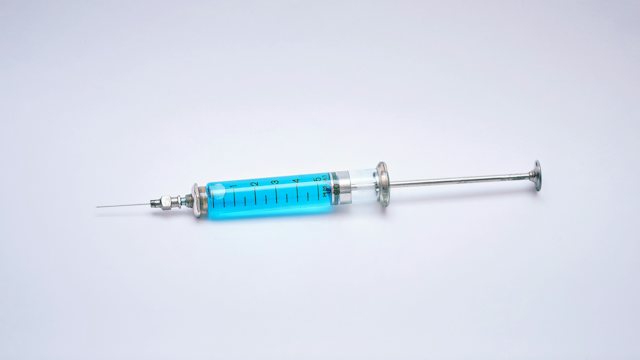
It often starts with good intentions: a spouse with back pain, a friend who cannot sleep, a relative who ran out of medication. Offering a pill from your own prescription can feel harmless. Under North Carolina law, it can be a crime.
Prescription drugs are controlled substances
Many common prescription medications, including opioid pain relievers, ADHD medications, anxiety medications and sleep aids, are controlled substances. A prescription authorizes only the person named on it to possess and use the medication as directed.
Possible charges for the giver
Giving a controlled substance to someone else can be charged as delivery or distribution, even if no money changes hands. In North Carolina, "delivery" includes transferring a drug to another person. Depending on the drug's schedule, delivery can be a felony. Selling a prescription drug is treated even more seriously.
Possible charges for the receiver
A person who takes or holds another person's prescription medication can be charged with possession of a controlled substance without a valid prescription. Larger quantities can lead to possession with intent to sell charges.
Trafficking thresholds
Opioid pills are measured by weight, and the weight of the entire pill counts, not just the active ingredient. A relatively small number of pills can exceed North Carolina's trafficking thresholds, which carry mandatory prison sentences. This surprises many people.
Other risks
- Keeping medication in an unlabeled container, or mixing pills, can complicate a defense.
- Sharing a drug that leads to an overdose can expose the giver to more serious charges.
- Professional licenses, jobs and immigration status can be affected by drug convictions.
Safer options
Encourage the other person to talk to their own doctor or pharmacist. Keep medications in their original labeled containers. If you have unused medication, dispose of it through a pharmacy or take-back program.
If you are under investigation or have been charged, talk to a lawyer before explaining to police where pills came from.
This article is general information, not legal advice. Every case is different; to talk about yours, call 910-893-2900. Learn more about our criminal defense practice.
 Free 6-page guideCharged With DWI in North CarolinaWhat happens after the arrest, what’s at stake for your license and your record, and the deadlines that matter in the first few weeks.Get the free guide →
← Older: 5 facts to know when dealing with a drunk driving case
Newer: Dividing the family business in a divorce →