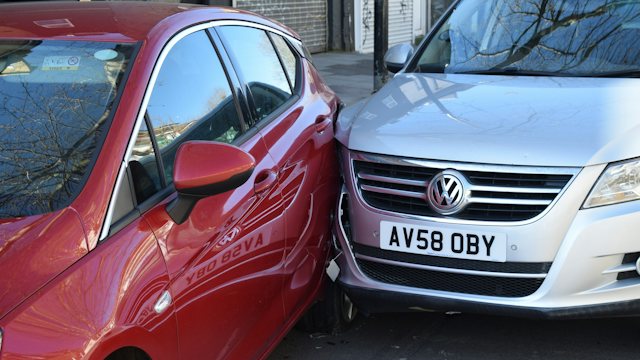
Speed is a factor in a large share of traffic deaths nationwide. Faster speeds reduce reaction time, increase stopping distance and multiply the force of impact.
How speed affects crashes
- Less time to react to hazards
- Longer stopping distances
- Reduced ability to steer around obstacles
- More severe impacts, because crash energy increases sharply with speed
Speeding is more than exceeding the limit
Driving too fast for conditions, such as rain, fog, curves, construction or heavy traffic, can be negligent even below the posted limit. North Carolina law requires drivers to reduce speed when conditions require it.
Proving speed
- Event data recorders
- Skid marks and crush damage analyzed by reconstruction experts
- Witness testimony
- Video footage
- Police speed measurements, if available
Speed and liability
A speeding driver who causes a crash can be held responsible for injuries. Evidence of speed often strengthens a claim.
When the injured person was speeding
The other side may argue the injured driver was also speeding. Under North Carolina's contributory negligence rule, that argument can bar recovery if proven to have contributed to the crash. Careful analysis of whether speed actually caused the crash is critical.
Work zones and school zones
Speeding in work and school zones carries additional penalties and highlights the risk to vulnerable people.
A personal injury attorney can work with experts to establish how speed contributed to a crash and protect against unfair blame.
This article is general information, not legal advice. Every case is different; to talk about yours, call 910-893-2900. Learn more about our personal injury practice.
 Free 6-page guideAfter a Car Accident in North CarolinaWhat to do at the scene, in the first week, and before you talk to an insurance company, plus the North Carolina fault rule that catches most people off guard.Get the free guide →
← Older: How is visitation determined for a non-custodial parent?
Newer: Conditions that can lead to a slip and fall →