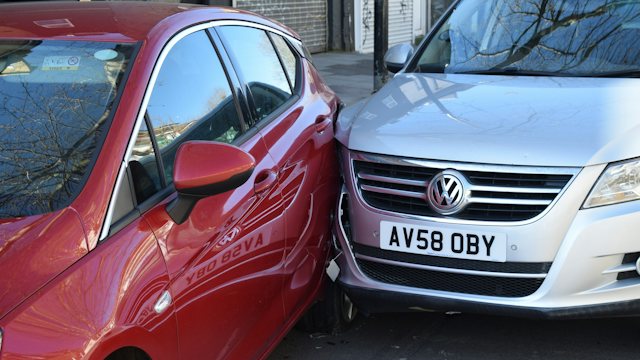
"I never saw them" is one of the most common statements after a car hits a motorcycle. Motorcycles are smaller and harder to see, but that does not excuse drivers from their duty to look carefully.
Common crash scenarios
- Left turns. A driver turns left in front of an oncoming motorcycle.
- Lane changes. A driver moves into a lane without checking blind spots.
- Rear-end crashes. A driver follows too closely or fails to stop.
- Opening doors. A parked driver opens a door into a rider's path.
- Intersections. Drivers misjudge a motorcycle's speed or distance.
Why drivers miss motorcycles
Research on attention shows drivers often look for cars and trucks and may not register smaller vehicles. Sun glare, obstructions and distraction make it worse.
Legal duty
Drivers must keep a proper lookout and yield the right-of-way when required. Failing to see a motorcycle that was there to be seen can be negligence.
Bias against riders
Insurers and jurors sometimes assume riders were speeding or reckless. Evidence such as witness statements, video and reconstruction can counter those assumptions.
Contributory negligence
North Carolina's contributory negligence rule can bar recovery if the rider is found even slightly at fault. That makes careful investigation especially important.
Serious injuries
Motorcycle crashes frequently cause fractures, road rash, head injuries and spinal injuries. Long-term care needs should be documented thoroughly.
A personal injury attorney experienced with motorcycle cases can preserve evidence and pursue full compensation.
This article is general information, not legal advice. Every case is different; to talk about yours, call 910-893-2900. Learn more about our personal injury practice.
 Free 6-page guideAfter a Car Accident in North CarolinaWhat to do at the scene, in the first week, and before you talk to an insurance company, plus the North Carolina fault rule that catches most people off guard.Get the free guide →
← Older: Signs it may be time for a divorce
Newer: ‘Big Three’ diseases commonly misdiagnosed →