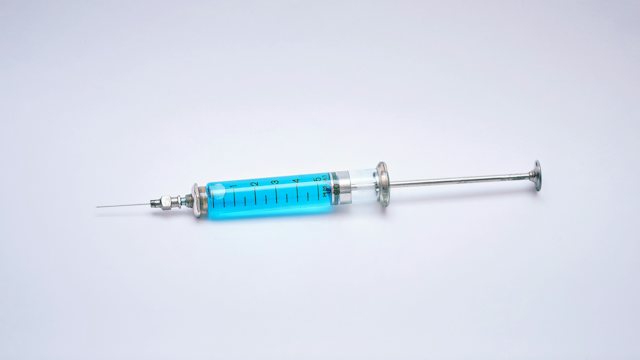
When officers find drugs during a traffic stop, it is common for everyone in the car to be arrested. But charging everyone and convicting everyone are two different things. North Carolina law requires proof that a specific person knowingly possessed the drugs.
Actual and constructive possession
Actual possession means the drugs were on your person, such as in your pocket. Constructive possession means you had the power and intent to control the drugs, even if they were not on you. In car cases, prosecutors usually rely on constructive possession.
Proximity is not enough
North Carolina courts have said that simply being near drugs, or being in a car where drugs are found, does not by itself prove possession, especially when others had equal access. The State generally needs additional "incriminating circumstances" that link a particular person to the drugs.
What courts look at
- Ownership and control of the vehicle. The owner or driver may be presumed to have control, but that presumption can be challenged.
- Location of the drugs. Drugs in a closed glove box, under a specific seat or in someone's bag point in different directions.
- Personal items nearby. A wallet, phone or ID next to the drugs can be used as a link.
- Behavior. Furtive movements, attempts to hide items, or flight.
- Statements. What each person said, including statements blaming others.
- Other evidence. Fingerprints, DNA, texts or cash.
Passengers and drivers
A passenger in a borrowed car may have strong arguments that they had no knowledge of drugs hidden elsewhere. A driver who borrowed a car may argue the same. These cases are often decided on details that are easy to overlook.
Protect yourself
Do not explain to officers whose drugs they are, or accuse others. Do not discuss the case with the other people in the car, who may be cooperating with the State. Let your lawyer review the body camera footage, the search and the evidence linking each person to what was found.
This article is general information, not legal advice. Every case is different; to talk about yours, call 910-893-2900. Learn more about our criminal defense practice.
 Free 6-page guideCharged With DWI in North CarolinaWhat happens after the arrest, what’s at stake for your license and your record, and the deadlines that matter in the first few weeks.Get the free guide →
← Older: Enabling a more efficient property division process
Newer: What does equitable distribution mean? →